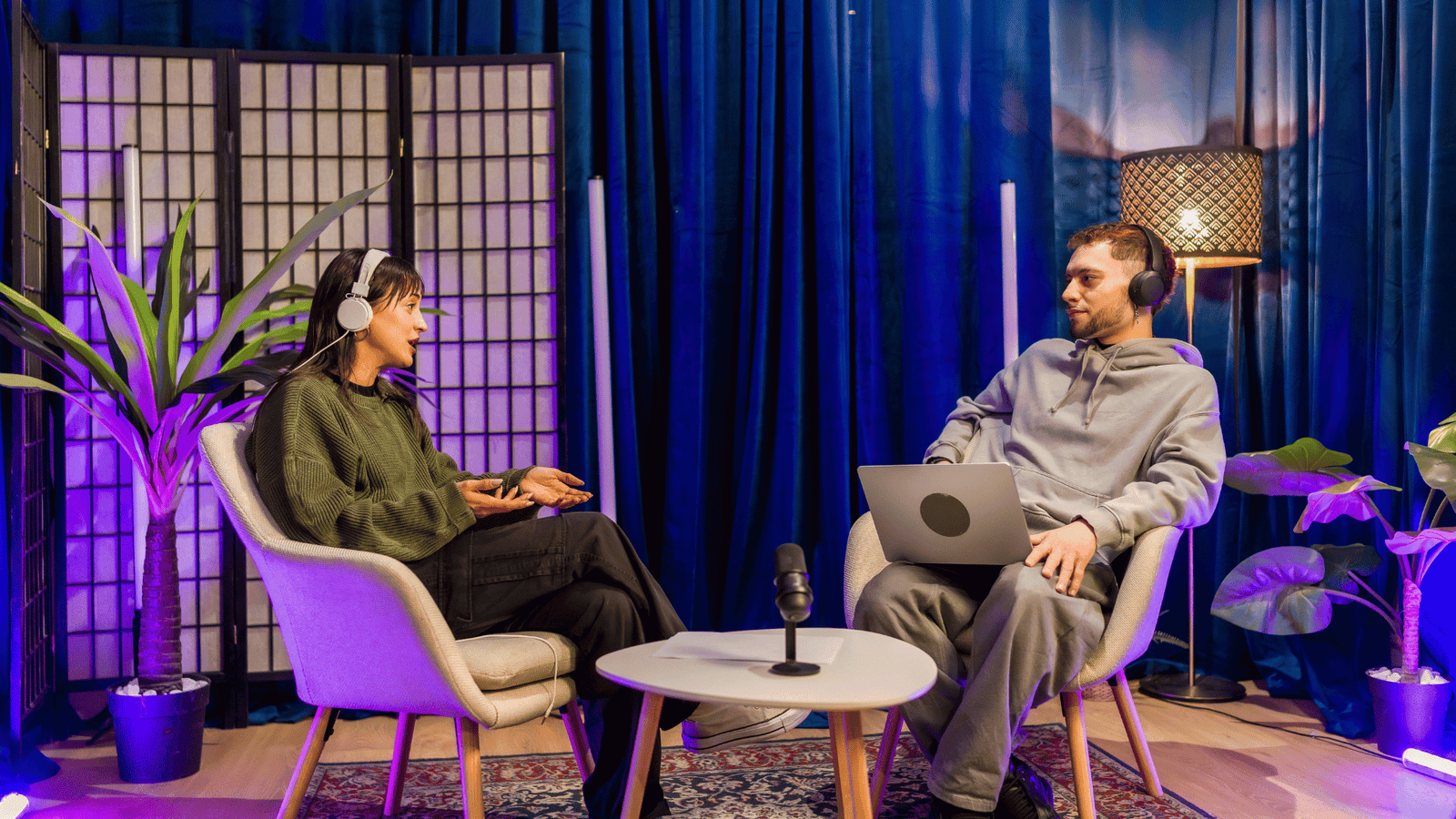
Starting a podcast is exciting — but understanding how to start a successful interview podcast takes more than buying a microphone and inviting someone to talk. A great interview show requires strategy, positioning, consistency, and intentional growth planning. When done correctly, an interview podcast can establish you as an authority in your niche, expand your professional network, and even become a profitable asset.
This comprehensive guide will walk you step-by-step through planning, launching, and growing an interview podcast that stands out in a crowded market.
1. Define Your Niche and Target Audience
The foundation of learning how to start a successful interview podcast begins with clarity.
Before you think about equipment or branding, ask yourself:
- Who is my ideal listener?
- What specific problem am I helping them solve?
- What unique perspective do I bring?
- Why would someone choose my podcast over others?
Many new podcasters make the mistake of going too broad. A general “business podcast” is far harder to grow than a focused show like “marketing strategies for SaaS founders” or “mindset coaching for first-time entrepreneurs.”
Specificity builds loyalty. When your content speaks directly to a defined audience, listeners feel understood — and they return.
Create a simple listener profile:
- Age range
- Profession
- Goals
- Challenges
- Interests
When you know exactly who you’re speaking to, every interview becomes more powerful and relevant.
2. Develop a Clear Podcast Format
Structure builds trust. If listeners know what to expect, they’re more likely to subscribe.
When planning how to start a successful interview podcast, define:
- Episode length (30–60 minutes is ideal)
- Intro format (music + short summary?)
- Will you record a solo intro before the guest?
- Will you include rapid-fire questions at the end?
- How will you close each episode?
For example, a simple and effective format might look like:
- 2-minute solo intro
- Guest introduction
- Core interview discussion
- Rapid-fire questions
- Key takeaways recap
- Outro + call to action
Consistency in structure makes your show feel professional and polished.
3. Invest in Quality Audio Equipment
Audio quality can make or break your credibility. Poor sound immediately reduces perceived authority.
You don’t need a studio, but you do need clean, clear audio.
Recommended beginner equipment:
- USB or XLR microphone (like Audio-Technica ATR2100 or Shure MV7)
- Pop filter
- Closed-back headphones
- Recording software such as Zoom, Riverside, or SquadCast
Choose a quiet space with minimal echo. Soft furnishings, carpets, and curtains help absorb sound.
Remember: Listeners will forgive imperfect video — they won’t forgive bad audio.
4. Craft Thoughtful, Engaging Questions
The difference between an average interview and a great one lies in preparation.
If you want to master how to start a successful interview podcast, focus on becoming an exceptional interviewer.
Best practices:
- Research your guest thoroughly
- Listen to previous interviews they’ve done
- Avoid predictable, overused questions
- Ask for stories instead of opinions
- Prepare follow-up prompts
Instead of asking:
“What advice would you give entrepreneurs?”
Try:
“Can you tell me about a moment when your business almost failed — and what you learned from it?”
Stories create emotional engagement. Engagement builds loyalty.
5. Record and Edit for Professional Flow
Editing transforms raw conversation into compelling content.
During editing, focus on improving:
- Clarity
- Flow
- Energy
- Retention
Remove:
- Long pauses
- Repetitive tangents
- Excessive filler words
- Technical glitches
Good editing keeps the listener engaged from start to finish.
If you want to expand your distribution beyond traditional platforms, you can publish and promote your podcast episodes on Yaamverse (https://yaamverse.com/), a platform designed to support creators and help grow audience reach.
6. Distribute on Major Platforms
Distribution determines discoverability.
To successfully implement how to start a successful interview podcast, publish your show across multiple platforms:
- Spotify
- Apple Podcasts
- Google Podcasts
- YouTube
Use a podcast hosting service (like Buzzsprout, Libsyn, or Anchor) to automatically distribute episodes via RSS feed.
The broader your distribution, the higher your growth potential.
7. Build a Strong Marketing Strategy
This is where most podcasts fail — not because of poor content, but because of weak promotion.
Recording an episode is only 20% of the work. Marketing is the other 80%.
For each episode, create:
- Short video clips (Reels, Shorts, TikTok)
- Quote graphics
- Audiograms
- Email newsletters
- Blog summaries
- LinkedIn posts
- Twitter threads
One episode should generate at least 5–10 pieces of micro-content.
Encourage your guest to share the episode with their audience. Provide them with ready-made graphics and captions to make it easy.
Consistency in marketing compounds growth.
8. Build Strong Relationships with Guests
An interview podcast is not just content — it’s networking at scale.
Your guests can become:
- Business partners
- Clients
- Collaborators
- Referrers
- Long-term supporters
After publishing:
- Send them the link
- Provide shareable assets
- Thank them personally
- Stay in touch
Strong relationships multiply opportunities beyond the podcast itself.
9. Stay Consistent and Commit Long-Term
Many podcasters quit after 7–10 episodes.
Growth often starts after episode 20 or 30.
Choose a realistic publishing schedule:
- Weekly
- Biweekly
- Monthly
And commit to it for at least six months.
Consistency builds audience trust and improves algorithm visibility.
Perfection is not required. Persistence is.
10. Monetize Strategically
Once you’ve built a loyal audience, monetization becomes possible.
Common revenue streams:
- Sponsorships
- Affiliate marketing
- Paid memberships
- Premium bonus content
- Coaching or consulting
- Courses or digital products
Start with value. Monetization follows attention.
Brands pay for access to trust — and trust is built through consistent, high-quality interviews.