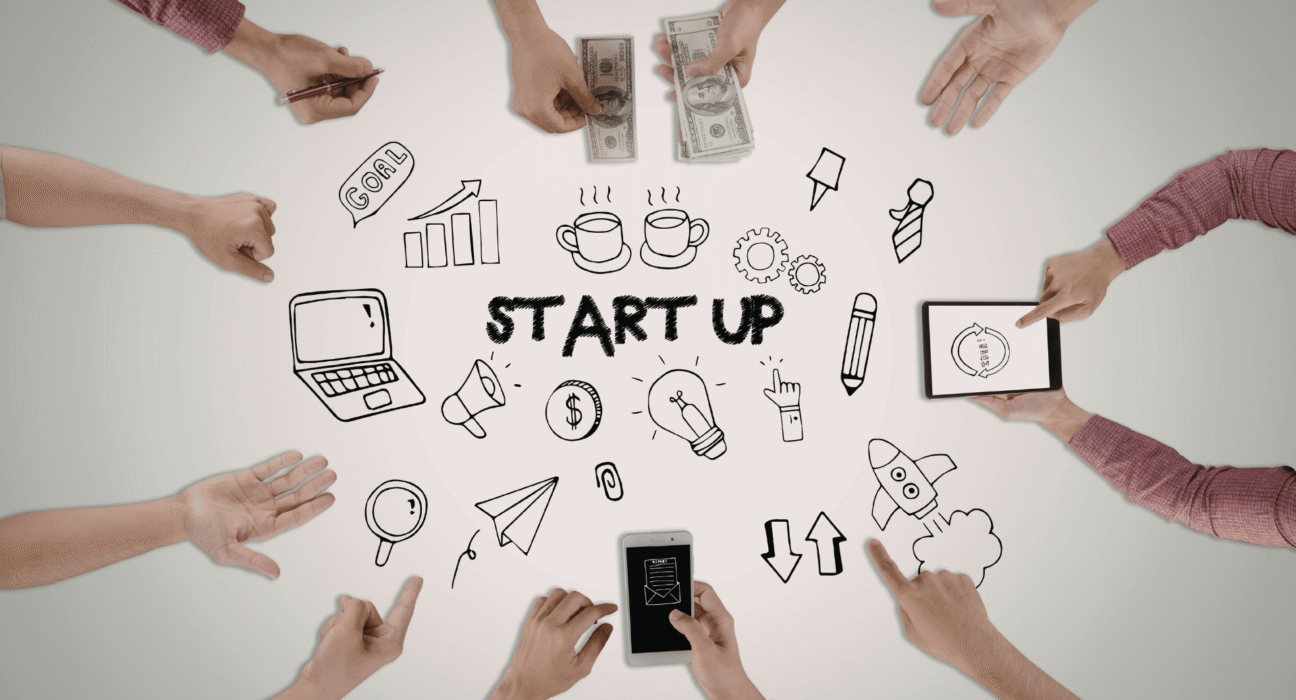
Starting a startup is an exciting journey. In recent years, India has become one of the fastest-growing startup ecosystems in the world. Many young entrepreneurs are turning their ideas into successful businesses. If you have a business idea and want to know how to start a startup in India, this beginner-friendly guide will help you understand the process.
This startup guide India will walk you through simple and practical business startup steps so you can confidently begin your entrepreneurial journey.
Introduction
India offers many opportunities for entrepreneurs. With a large market, growing internet usage, government support, and increasing investment, starting a business has become easier than ever.
However, starting a startup is not just about having an idea. You need planning, research, legal registration, and a clear strategy to grow your business.
In this guide, you will learn the essential steps to launch your startup successfully and build a strong startup business plan India.
Why Startups Are Growing in India
Before learning the process, it’s important to understand why startups are booming in India.
1. Large Consumer Market
India has over a billion people. This provides startups with a massive market to test and scale their ideas.
2. Digital Transformation
Affordable internet and smartphones have changed how businesses operate. Many startups today are built around digital services, apps, and online platforms.
3. Government Support
Programs like Startup India encourage innovation by offering tax benefits, funding support, and easier compliance for startups.
4. Growing Investor Interest
Venture capital firms, angel investors, and incubators are actively investing in innovative startups.
5. Young Entrepreneurial Mindset
Many young professionals now prefer building their own companies instead of traditional jobs.
All these factors make India a great place for entrepreneurs to launch new ventures.
Step-by-Step Guide to Starting a Startup
If you are wondering how to start a startup in India, follow these simple and practical steps.
1. Identify a Problem to Solve
Every successful startup solves a real problem. Look around and identify challenges people face in daily life or industries that need improvement.
A strong startup idea should:
- Solve a real problem
- Be scalable
- Offer a better solution than existing options
2. Validate Your Idea
Before investing money, validate your idea.
You can:
- Conduct surveys
- Talk to potential customers
- Study competitors
- Test a small prototype
Validation helps confirm whether people are willing to pay for your solution.
3. Conduct Market Research
Market research helps you understand your target audience, competitors, and demand.
Ask questions like:
- Who are your customers?
- What problem do they face?
- What solutions already exist?
This step is critical in creating a solid startup business plan India.
4. Create a Startup Business Plan
A business plan acts as the roadmap for your startup.
Your startup plan should include:
- Business idea
- Target audience
- Revenue model
- Marketing strategy
- Financial projections
A clear plan will also help you attract investors.
5. Choose a Business Structure
In India, startups can register under different legal structures such as:
- Sole Proprietorship
- Partnership
- Limited Liability Partnership (LLP)
- Private Limited Company
Most scalable startups prefer the Private Limited Company structure because investors prefer it.
6. Register Your Startup
Legal registration is an important step in the business startup steps process.
This includes:
- Registering your company
- Getting PAN and TAN
- Opening a business bank account
- Applying for GST if required
You can also register your startup under the Startup India initiative.
7. Build a Minimum Viable Product (MVP)
Instead of building a perfect product immediately, create a Minimum Viable Product (MVP).
An MVP is a basic version of your product that solves the core problem. It allows you to test your idea quickly and gather customer feedback.
8. Secure Funding
Not all startups need large investments at the beginning. Many start with bootstrapping.
However, funding options include:
- Personal savings
- Angel investors
- Venture capital
- Startup grants
- Crowdfunding
Investors will look at your market potential, business model, and team.
9. Build the Right Team
A startup cannot grow alone. You need a strong and skilled team.
Look for people who:
- Share your vision
- Have complementary skills
- Are committed to long-term growth
A strong team can turn a simple idea into a successful business.
10. Develop a Marketing Strategy
Marketing helps people discover your product.
Effective strategies include:
- Social media marketing
- Content marketing
- SEO optimization
- Influencer partnerships
- Paid advertising
Many startups also build their online presence through platforms like https://yaamverse.com/ to reach a wider audience and connect with digital communities.
11. Launch and Gather Feedback
Once your product is ready, launch it to early users.
Collect feedback about:
- User experience
- Pricing
- Features
- Customer satisfaction
Use this information to improve your product continuously.
12. Scale Your Startup
Once your business model works, focus on scaling.
You can scale by:
- Expanding to new markets
- Adding new features
- Building partnerships
- Increasing marketing efforts
Scaling is where startups become successful companies.
Common Mistakes New Founders Should Avoid
Many startups fail due to avoidable mistakes. Here are some common ones.
1. Ignoring Market Research
Skipping research can lead to building products nobody wants.
2. Spending Too Much Too Early
Many founders overspend on office space, branding, or technology before validating their idea.
3. Weak Business Model
A startup must have a clear revenue model to survive.
4. Poor Team Selection
Hiring the wrong people can slow down growth and create conflicts.
5. Not Listening to Customers
Customer feedback is one of the most valuable resources for startups.
Avoiding these mistakes will increase your chances of success.
Tips for Building a Successful Startup
Here are some practical tips for long-term startup success.
Focus on Solving Real Problems
Businesses succeed when they create real value for customers.
Start Small and Improve
Launch quickly with a simple product and improve it over time.
Learn Continuously
Entrepreneurship requires constant learning. Study successful founders and industry trends.
Build a Strong Network
Connecting with mentors, investors, and other entrepreneurs can open many opportunities.
Stay Consistent
Startup success rarely happens overnight. Patience and persistence are key.
Conclusion
Starting a business can feel overwhelming, but with the right strategy, anyone can build a successful company.
This startup guide India showed you the essential business startup steps, from validating your idea to scaling your company. If you are serious about learning how to start a startup in India, focus on solving real problems, building a strong team, and continuously improving your product.
Entrepreneurship requires effort, patience, and determination, but the rewards can be life-changing. With a solid startup business plan India, the right mindset, and consistent action, your startup idea can grow into a successful business.