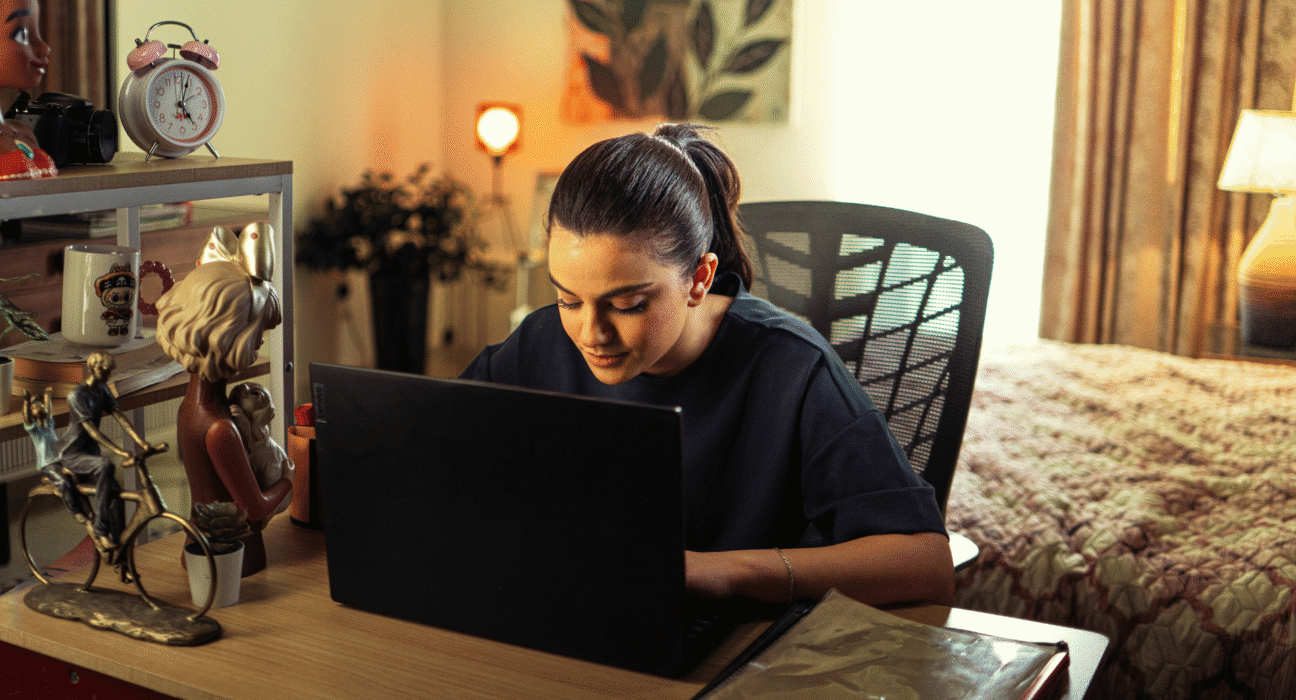
When we talk to people trying to Start a Small Business From Home in India, the first thing we notice is hesitation—not because ideas are missing, but because past attempts didn’t go as planned. In 2026, the environment is actually more forgiving if you approach it right. Costs of testing ideas are lower, digital tools are easier, and customers are far more open to buying from small, home-run brands. That said, it’s not effortless. We’ve seen people assume “home business” means no pressure, and then struggle when consistency kicks in. What works now is starting small but thinking clearly—understanding your capacity, your time, and your market. If you’re expecting overnight income, this won’t hold. But if you’re willing to build something steady, this route makes practical sense, especially with rising living costs and job uncertainty across India.
Benefits of Starting a Small Business From Home in India
We won’t pretend everything is smooth, but there are real, grounded advantages when you Start a Small Business From Home in India. You cut down major expenses like rent, travel, and overheads, which honestly gives you breathing space in the early months. There’s also more control—over your time, your pricing, and how fast you want to grow. But flexibility can turn into distraction if not handled well, something we’ve seen often. The bigger shift is that customers today don’t question home-based businesses as much, especially if your service or product delivers. Social media, WhatsApp, and marketplaces have made discovery easier, even for beginners. It’s not about comfort—it’s about controlled risk, which matters when funds are limited and confidence is still rebuilding.
Low Investment and Reduced Risk
Most people we guide are worried about losing money again, and that’s fair. When you Start a Small Business From Home in India, you’re not locking yourself into heavy upfront costs, which changes how you take decisions. Instead of investing everything at once, we usually suggest starting with what you already have—skills, contacts, maybe a small inventory. This way, even if something doesn’t work, the loss stays manageable. It also forces better thinking, because you’re not relying on money to fix gaps. Risk doesn’t disappear, but it becomes something you can actually handle without panic.
Work-Life Balance and Flexibility
Flexibility sounds great until work starts spilling into everything else, and we’ve seen that happen more than people admit. When you Start a Small Business From Home in India, the lines between personal and work life blur quickly. That’s why we push for basic structure early—fixed working hours, even if they’re short. It’s not about rigid discipline, just enough to avoid burnout or inconsistency. The upside is real though—you can adjust your schedule around family or other responsibilities, which matters a lot in Indian households. But without boundaries, flexibility turns into chaos, and progress slows down.
Growing Digital Opportunities in India
The shift to digital isn’t new, but in India, it’s finally becoming usable for small players, not just big brands. Payments are simpler, customers are more comfortable ordering online, and platforms are less intimidating than before. When you Start a Small Business From Home in India today, you’re not limited to your local area unless you choose to be. We’ve seen small sellers grow through Instagram or WhatsApp groups without any formal website. Still, digital noise is real—just being online doesn’t bring customers. What works is showing up consistently and keeping your offering clear, even if it’s basic.
Step-by-Step Process to Start a Small Business From Home in India
Most guides make this sound linear, but honestly, it rarely is. When you Start a Small Business From Home in India, steps overlap, mistakes happen, and you adjust along the way. We usually begin with clarity—what exactly are you offering, and who will pay for it. Then we test the idea in a small way instead of building everything upfront. Legal and financial setup comes in stages, not all at once, so you don’t feel stuck before earning anything. Marketing starts early, even before things feel “ready.” The goal isn’t perfection—it’s movement. We’ve seen people delay for months trying to get everything right, while others start rough and improve faster. Progress matters more than polish here.
Best Home-Based Business Ideas in India
Choosing the right idea is where most people either overthink or copy blindly. When you Start a Small Business From Home in India, the idea doesn’t have to be unique—it has to be workable for you. We usually look at what you can sustain for at least six months, even if growth is slow. Trends come and go, but consistency is what builds income. Some people do well with services, others with products, and many mix both over time. What doesn’t work is chasing something just because it looks profitable online. If it doesn’t fit your skills, budget, or daily routine, it won’t last long.
Online Business Ideas (Freelancing, E-commerce, Digital Services)
Online businesses are often the first choice, mostly because they seem easier to start. And yes, when you Start a Small Business From Home in India through freelancing or digital services, the entry barrier is low. But competition is high, and pricing pressure is real, especially in the beginning. We usually suggest starting with one clear service instead of offering everything. Platforms help, but relying only on them can be risky. Direct clients—through referrals or social networks—often bring better stability. It takes time to build trust, but once it starts working, it scales more smoothly than most expect.
Offline Small Business Ideas From Home
Offline ideas don’t get enough attention, even though they’re often more stable in local markets. When you Start a Small Business From Home in India with something like food, tailoring, or small-scale manufacturing, your immediate network becomes your first customer base. There’s less dependency on algorithms or ads, which is a relief for many. But quality and consistency matter more here—word spreads quickly, both good and bad. We’ve seen people grow steadily just by serving a small area well. It’s not flashy growth, but it’s reliable, which matters more in the long run.
Low-Investment Business Ideas for Beginners in India
If budget is tight—and for most people it is—then keeping things lean is non-negotiable. When you Start a Small Business From Home in India, low investment doesn’t mean low effort. It means smarter use of what you already have. We often suggest starting with services, reselling, or made-to-order products to avoid holding inventory. The first goal isn’t scaling—it’s proving that someone is willing to pay. Once that happens, decisions become clearer. Until then, spending too much usually creates pressure instead of progress.
Identify a Profitable Business Idea
Profitability is less about the idea itself and more about how well it fits your situation. When you Start a Small Business From Home in India, we look at three things—demand, your ability to deliver, and realistic pricing. Many people skip this and jump straight into execution, which leads to frustration later. We usually test ideas informally first—talking to potential customers, taking small orders, or even offering a trial service. It’s not fancy, but it gives real feedback. A “good” idea that doesn’t convert into paying customers isn’t useful. Clarity here saves time, money, and a lot of second-guessing.
Market Research Techniques for Indian Audience
Market research doesn’t have to mean big surveys or expensive tools. When you Start a Small Business From Home in India, simple observation works surprisingly well. We look at what people are already buying, where they’re buying from, and what complaints they have. Local WhatsApp groups, Instagram comments, even nearby shops can give useful insights. The goal is to understand behavior, not just trends. Many people rely only on online data and miss what’s happening offline. Combining both gives a clearer picture, especially in diverse Indian markets.
Finding Your Target Customers in India
Trying to sell to everyone is where things usually fall apart. When you Start a Small Business From Home in India, narrowing down your audience actually makes things easier, not harder. We usually define customers based on location, spending capacity, and specific needs. For example, selling to working professionals in cities is very different from targeting local households. Messaging, pricing, and even product design change accordingly. Once you know exactly who you’re serving, decisions become faster and more consistent.
Create a Business Plan for Your Home Business
We don’t believe in overly detailed business plans, especially in the beginning. When you Start a Small Business From Home in India, a simple, working plan is more useful than a perfect document. We focus on what you’re selling, how you’ll reach customers, expected costs, and a rough timeline. That’s enough to get started. Plans will change anyway once real customers come in. What matters is having some direction so you’re not making random decisions every day. It’s less about planning everything and more about avoiding avoidable mistakes.
Setting Business Goals and Budget
Goals don’t need to be big—they need to be clear. When you Start a Small Business From Home in India, we usually set short-term targets like getting the first 5–10 customers or covering basic costs. Budgeting follows the same logic—keep it tight and realistic. Many people either underestimate expenses or overspend early, both of which create problems. Tracking even small costs helps maintain control. It’s not about restriction, just awareness, so you know where your money is going.
Choosing the Right Business Model
The model you choose affects everything—pricing, workload, and growth pace. When you Start a Small Business From Home in India, we look at whether a service, product, or hybrid model suits you better. Services bring quicker income but depend heavily on your time. Products take longer to set up but can scale differently. There’s no universal “best” option here. What works is choosing something you can manage consistently without stretching yourself too thin.
Register Your Small Business in India
Registration is where many people feel stuck, mostly because it sounds more complicated than it is. When you Start a Small Business From Home in India, you don’t always need everything set up from day one. We usually suggest starting small and formalising gradually as income becomes steady. That said, ignoring it completely can create issues later, especially with payments or scaling. The key is knowing what’s required now versus what can wait.
Sole Proprietorship vs LLP vs Private Limited
Choosing a structure depends on your scale and future plans. When you Start a Small Business From Home in India, most people begin with a sole proprietorship because it’s simple and low-cost. LLPs and private limited companies make sense later, especially if you’re planning partnerships or external funding. We don’t push complex structures early unless there’s a clear need. Simplicity helps you focus on actually running the business instead of managing compliance too soon.
GST Registration and Compliance Requirements
GST is one of the most confusing parts for beginners, and we’ve seen people delay starting just because of it. When you Start a Small Business From Home in India, GST isn’t always mandatory immediately—it depends on your turnover and business type. Still, understanding when it applies is important. Filing and compliance can feel tedious, but once set up properly, it becomes routine. Getting basic guidance early helps avoid bigger issues later.
Set Up Your Home-Based Business Infrastructure
Infrastructure doesn’t mean expensive setups—it means having what you need to operate smoothly. When you Start a Small Business From Home in India, we focus on function over appearance. A clean, dedicated space and basic tools are usually enough in the beginning. Many people overspend trying to create a “perfect” setup, which isn’t necessary. What matters is whether you can work consistently without disruptions.
Workspace Setup at Home
Your workspace doesn’t need to be large, but it does need to be defined. When you Start a Small Business From Home in India, even a small corner can work if it’s organised and distraction-free. We’ve seen productivity improve just by setting clear boundaries within the house. It also signals to others that you’re working, not just “at home.” Small adjustments make a bigger difference than people expect.
Tools and Technology Needed
You don’t need every tool available—just the right ones for your work. When you Start a Small Business From Home in India, basic tools like a smartphone, internet connection, and simple software often cover most needs. We usually recommend starting with free or low-cost options and upgrading later if required. Too many tools can actually slow you down, especially when you’re still figuring things out.
Start Marketing Your Home Business in India
Marketing is where many people either hesitate or overcomplicate things. When you Start a Small Business From Home in India, visibility matters from day one, even if your offering isn’t perfect yet. We usually begin with simple methods—personal networks, WhatsApp, and basic social media presence. Paid ads can come later. What works is consistency and clarity, not volume. You don’t need to be everywhere, just present where your customers are.
Digital Marketing Strategies (SEO, Social Media, WhatsApp Business)
Digital marketing doesn’t have to be technical to be effective. When you Start a Small Business From Home in India, we focus on clear messaging and regular updates. WhatsApp Business works well for direct communication, while social media helps with visibility. SEO takes time but builds long-term traffic if done right. We usually suggest picking one or two channels and using them properly instead of spreading yourself too thin.
Local SEO and Google My Business Optimization
Local visibility is often overlooked, but it’s powerful. When you Start a Small Business From Home in India, listing your business locally can bring nearby customers without much cost. Setting up your profile, adding accurate details, and keeping it updated makes a difference. Reviews also play a role, so early customer feedback helps build trust. It’s simple work, but many skip it.
Legal, Financial, and Growth Tips for Home-Based Businesses in India
Once things start moving, new challenges show up—legal doubts, money management, and how to grow without losing control. When you Start a Small Business From Home in India, handling these areas early makes everything smoother later. We don’t suggest overcomplicating things, but ignoring them completely creates stress. It’s about steady improvement, not sudden expansion. Growth should feel manageable, not overwhelming.
Legal Requirements to Start a Small Business From Home in India
Legal requirements vary depending on what you’re doing, and that’s where confusion usually starts. When you Start a Small Business From Home in India, we break it down based on your specific activity instead of giving generic advice. Some businesses need licenses, others don’t initially. Understanding this early prevents unnecessary delays. It’s less about paperwork and more about knowing what actually applies to you.
Licenses and Permits You May Need
Not every business needs multiple licenses, despite what many assume. When you Start a Small Business From Home in India, requirements depend on your industry—food businesses, for example, need specific approvals, while others may not. We usually identify the essentials first and handle additional permits as the business grows. This keeps things manageable and avoids unnecessary stress in the beginning.
Taxation Rules for Home Businesses
Taxes feel complicated at first, but they become manageable with basic understanding. When you Start a Small Business From Home in India, knowing your tax obligations helps avoid surprises later. We suggest keeping records from day one, even if income is small. It simplifies filing and keeps everything transparent. Waiting too long to organise finances usually creates more work later.
Managing Finances for Your Small Business
Financial discipline is often the difference between survival and shutdown. When you Start a Small Business From Home in India, separating personal and business finances is one of the first things we recommend. It keeps things clear and avoids confusion during tracking or tax filing. Even simple systems work if used consistently.
Opening a Business Bank Account in India
A separate bank account might feel unnecessary at first, but it quickly becomes useful. When you Start a Small Business From Home in India, it helps track income, manage expenses, and build financial clarity. We’ve seen people struggle later because everything was mixed together. Setting it up early saves effort down the line.
Budgeting and Expense Tracking Tips
Budgeting isn’t about restricting spending—it’s about knowing where you stand. When you Start a Small Business From Home in India, tracking even small expenses helps maintain control. We usually keep it simple—basic spreadsheets or apps work fine. The goal is awareness, not perfection. It also makes decision-making easier when you know your numbers.
Scaling Your Home-Based Business in India
Growth is where things can either stabilise or fall apart. When you Start a Small Business From Home in India, scaling should be gradual, based on actual demand. We’ve seen people expand too quickly and struggle to manage it. Taking measured steps keeps things sustainable and less stressful.
Hiring Freelancers or Employees
Hiring sounds like a big step, but it doesn’t have to be. When you Start a Small Business From Home in India, freelancers can help handle specific tasks without long-term commitment. It reduces workload while keeping costs flexible. We usually recommend starting small and increasing support as needed.
Expanding to Online Marketplaces (Amazon, Flipkart, etc.)
Marketplaces offer reach, but they come with their own challenges. When you Start a Small Business From Home in India, listing on these platforms can increase visibility, but margins and competition need careful handling. We usually suggest entering once your operations are stable, not before. Otherwise, it can become overwhelming.
Common Mistakes to Avoid When You Start a Small Business From Home in India
Mistakes are part of the process, but some can be avoided with the right approach. When you Start a Small Business From Home in India, we’ve seen patterns—ignoring basics, rushing decisions, or losing consistency. Being aware of these helps you move more steadily. It’s not about avoiding errors completely, just reducing unnecessary ones.
Ignoring Legal Compliance
Skipping legal steps might seem easier at first, but it creates problems later. When you Start a Small Business From Home in India, basic compliance keeps things smooth as you grow. We’ve seen businesses struggle when they try to fix everything at once later. Doing small things early helps.
Poor Marketing Strategy
Marketing without clarity wastes time and effort. When you Start a Small Business From Home in India, random posting or inconsistent messaging rarely works. We focus on simple, clear communication instead. It builds trust and brings better results over time.
Lack of Financial Planning
Financial gaps are one of the most common reasons businesses stall. When you Start a Small Business From Home in India, not planning expenses or cash flow creates unnecessary stress. We usually keep things simple but consistent. Knowing your numbers, even roughly, makes a big difference.